Planning meals from pantry staples is a smart way to simplify your cooking routine, save money, and reduce food waste. Your pantry likely holds a variety of ingredients that can be combined in different ways to create satisfying meals without a last-minute grocery run. Whether you’re new to meal planning or looking for fresh ideas, this guide will help you turn staple ingredients into delicious dishes.
Understanding Your Pantry Staples
Before you start meal planning, take some time to assess what you have in your pantry. Common pantry staples include:
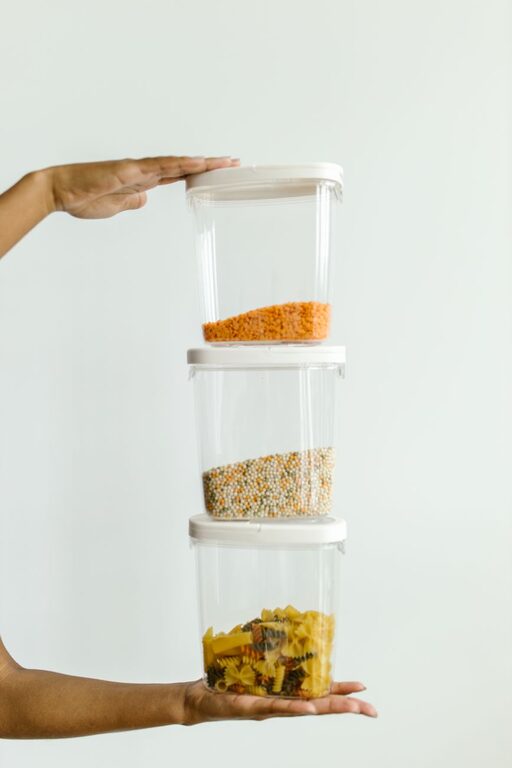
– Dry goods: rice, pasta, lentils, beans, quinoa, oats
– Canned goods: tomatoes, beans, tuna, coconut milk, broth
– Baking essentials: flour, sugar, baking powder, yeast
– Spices and herbs: salt, pepper, garlic powder, paprika, dried oregano, basil
– Oils and vinegars: olive oil, vegetable oil, apple cider vinegar, balsamic vinegar
– Other basics: nut butters, honey, soy sauce, canned vegetables
Keep an inventory list handy to make meal planning more efficient. Knowing what you have encourages creativity and helps avoid duplicate purchases.
Step 1: Plan Around Key Ingredients
Start by choosing a main ingredient from your staples to build your meal around. For example:
– Beans or lentils for protein-packed soups, stews, or salads
– Rice or quinoa as a base for stir-fries, bowls, or stuffed vegetables
– Canned tomatoes to create sauces, chili, or shakshuka
Choosing a protein or grain base helps focus your meal plan and simplifies ingredient choices.
Step 2: Use Flavor Boosters and Seasonings
Pantry staples can be basic on their own, but the right seasonings add excitement and variety. Consider these:
– Mix in garlic powder, onion powder, chili flakes, or smoked paprika for warmth and depth.
– Use soy sauce or hot sauce to add umami and spicy notes.
– Incorporate vinegars and citrus juice to brighten flavors at the end of cooking.
Experimenting with spices keeps meals interesting and allows you to create different cuisines from similar basic ingredients.
Step 3: Combine with Fresh or Frozen Produce
Although this post focuses on pantry staples, pairing them with fresh or frozen vegetables enhances nutrition and texture. Keep a stock of versatile fresh items like onions, carrots, and greens, or rely on frozen vegetables for convenience.
Examples include:
– Adding frozen spinach or peas to rice dishes or soups
– Tossing fresh tomatoes and herbs into pasta dishes
– Including fresh garlic and onions for aroma and flavor
Step 4: Choose Recipes That Showcase Pantry Staples
Here are some popular meal ideas that showcase your pantry staples:
1. One-Pot Bean Chili
Combine canned beans, canned tomatoes, spices (chili powder, cumin), and broth. Simmer with onions and garlic for an easy, hearty dinner.
2. Pasta with Tomato Sauce
Cook pasta and toss with a sauce made from canned tomatoes, olive oil, garlic powder, and dried herbs. Add canned tuna or olives for variety.
3. Lentil and Rice Soup
Simmer lentils and rice with broth, canned vegetables, and your favorite seasonings for a filling and nutritious soup.
4. Stir-Fried Rice Bowls
Use cooked rice and stir-fry it with canned or frozen vegetables, soy sauce, and any protein like canned chicken or tofu.
5. Oatmeal with Nut Butter and Honey
Breakfast or snack options using oats combined with pantry staples like nut butter and honey make a simple, satisfying meal.
Step 5: Batch Cook and Store Meals
Meal prepping with pantry staples allows you to save time on busy days. Prepare large batches of soups, stews, or casseroles and store leftovers in airtight containers.
Tips for batch cooking:
– Cool food completely before refrigerating or freezing.
– Label containers with the date and contents.
– Use freezer-safe containers to prevent freezer burn.
Step 6: Adjust Portions and Ingredients as Needed
One of the benefits of cooking with pantry staples is flexibility. Feel free to:
– Swap one type of bean for another based on availability
– Adjust spices to suit your taste preferences
– Add extra broth or water to thin soups or stews
This adaptability reduces pressure to follow recipes exactly and encourages creative meal making.
Tips for Maintaining a Healthy Pantry
– Rotate your pantry items regularly to avoid expired goods.
– Stock a variety of staples that suit your dietary needs.
– Include whole grains and legumes for balanced nutrition.
– Keep small quantities of versatile spices on hand to expand flavor options.
Final Thoughts
Meal planning from pantry staples is a practical approach to home cooking. With a little creativity and organization, you can make satisfying meals that use what you already have on hand. By understanding your staples, building meals around key ingredients, using seasonings wisely, and incorporating fresh produce when possible, you’ll enjoy tasty dishes without stress or waste.
Start with simple meals, experiment with flavors, and soon your pantry will become your favorite resource for easy and delicious cooking. Happy cooking!
About the Author