Starting a small herb garden indoors is a rewarding project that brings fresh flavors and greenery right into your home. Whether you have limited space or want to add a touch of nature to your kitchen, growing herbs indoors is simple and enjoyable. This guide will walk you through everything you need to know to get started, from choosing the right herbs to caring for your plants.
Why Grow Herbs Indoors?
Growing herbs indoors offers several benefits:
– Freshness: Have fresh herbs available anytime for cooking.
– Convenience: Easy access just steps away in your kitchen or living room.
– Year-round growth: Indoor conditions mean you can grow herbs regardless of the season.
– Aesthetic appeal: Indoor herb gardens add greenery and brighten your space.
Choosing the Right Herbs for Indoor Gardening
Not all herbs thrive indoors equally. Start with these beginner-friendly, easy-to-grow options:
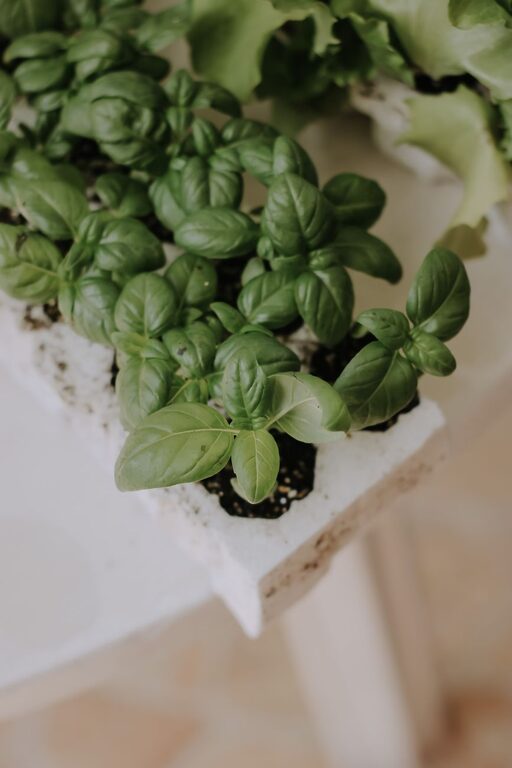
– Basil: Needs plenty of light and warmth. Great for Italian dishes.
– Mint: Grows well indoors but can spread quickly. Use a separate pot.
– Parsley: Tolerates lower light but prefers some sunshine.
– Thyme: Requires bright light and well-drained soil.
– Chives: Hardy, grows quickly, and adds a mild onion flavor.
– Cilantro: Likes cooler temperatures and moderate sunlight.
Selecting Containers and Soil
Containers
Choose pots with drainage holes to prevent overwatering. Small to medium pots (4–6 inches) work well for most herbs. You can use:
– Traditional clay or ceramic pots
– Recycled containers with drainage holes added
– Specialized herb planters with compartments
Soil
Use a high-quality potting mix designed for indoor plants. Avoid garden soil, which may be too dense and can introduce pests. A light, well-draining mix helps roots breathe and prevents waterlogging.
Finding the Right Spot for Your Herb Garden
Most herbs need at least 6 hours of sunlight daily. Ideal locations include:
– South- or west-facing windows
– A bright kitchen countertop or windowsill
– Undergrow lights if natural light is limited
If natural light is insufficient, consider investing in LED grow lights designed for indoor plants. Position the lights 6–12 inches above the herbs and keep them on for about 12–16 hours a day.
Planting Your Herb Garden
From Seeds
Starting from seeds is cost-effective and rewarding but requires patience:
- Fill containers with potting mix.
- Plant seeds according to package instructions (depth and spacing).
- Lightly water and cover with plastic wrap to retain moisture.
- Place in a warm spot and keep soil moist until seeds sprout.
- Remove plastic once seedlings appear.
From Seedlings or Starter Plants
Buying young herb plants from a nursery or garden center is faster:
- Gently remove plants from their original pots.
- Loosen roots if they are crowded.
- Replant in your chosen containers with fresh potting mix.
- Water lightly and place in a bright location.
Care Tips for Indoor Herbs
Watering
Herbs generally prefer moist but not soggy soil. Water when the top inch of soil feels dry. Avoid letting plants sit in standing water to prevent root rot.
Fertilizing
Feed your herbs with a balanced, water-soluble fertilizer every 4–6 weeks during the growing season. Follow the package instructions to avoid overfeeding.
Pruning and Harvesting
Regular pruning encourages bushier growth and prevents herbs from becoming leggy. Pick leaves as needed but avoid removing more than one-third of the plant at a time.
Pest Control
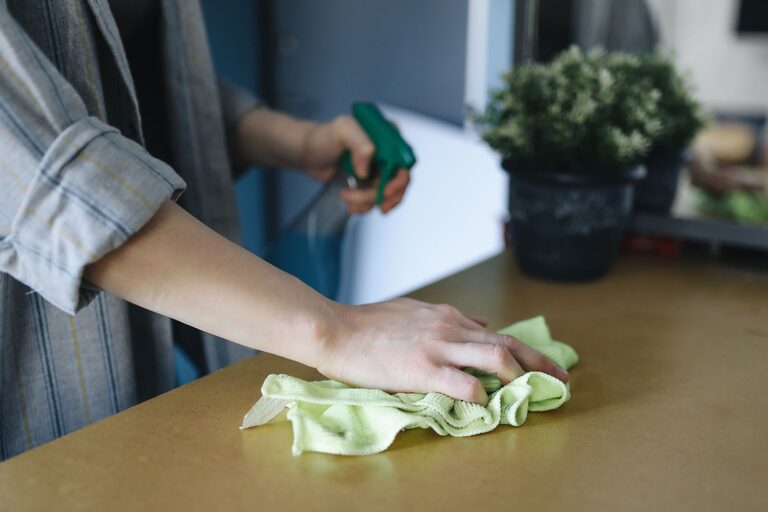
Indoor herbs are less prone to pests but watch for aphids, spider mites, or fungus gnats. Wipe leaves with a damp cloth and use natural remedies like insecticidal soap if needed.
Troubleshooting Common Issues
– Yellowing leaves: May indicate overwatering or lack of nutrients. Check soil moisture and adjust care.
– Leggy plants: Often a sign of insufficient light. Move herbs to a brighter spot or supplement with grow lights.
– Slow growth: Could result from poor soil, lack of fertilizer, or improper watering.
Tips for Enjoying Your Indoor Herb Garden
– Rotate your pots regularly to ensure even light exposure.
– Use herbs fresh for cooking or dry them for later use.
– Experiment with different herbs to find your favorites.
– Combine herbs with other indoor plants for a mixed green display.
Conclusion
Starting a small herb garden indoors is a fun, accessible way to enjoy fresh herbs and add life to your home. With thoughtful selection of herbs, containers, and placement, plus a little daily care, you can have a flourishing garden no matter the size of your space. Happy gardening!
About the Author