Taking time for self-care is essential for maintaining balance and well-being, but it doesn’t have to come with a high price tag. Many effective self-care practices can be done at home using items you already have or with minimal spending. This post explores a variety of low-cost self-care ideas that help you relax, boost your mood, and take care of your body — all from the comfort of your home.
Why Self-Care Matters
Self-care involves any activity that nurtures your physical, emotional, or mental health. Regular self-care can reduce stress, improve sleep, increase energy, and help you better manage daily challenges. The good news is you don’t need expensive products, spa visits, or fancy equipment to practice self-care effectively.
Easy, Low-Cost Self-Care Ideas to Try at Home
1. Create a Morning or Evening Ritual
Starting or ending your day with a consistent routine can help ground you and make your day feel more manageable. This can be as simple as:
– Drinking a cup of herbal tea slowly
– Stretching gently for 5 minutes
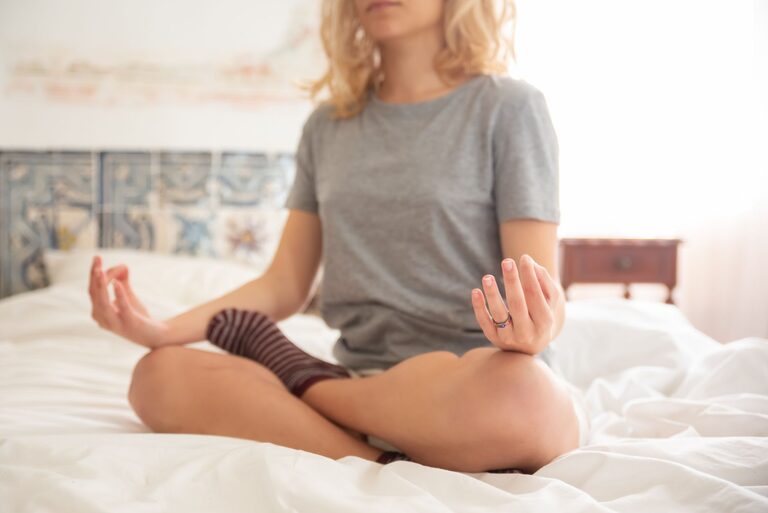
– Practicing deep breathing or meditation
– Writing down three things you’re grateful for
These habits are free and help create calm and mindfulness.
2. Enjoy a DIY Spa Day
You can create a spa-like experience using ingredients you already have. Try:
– Doing a warm bath with Epsom salts or baking soda
– Making a face mask using honey, yogurt, or oatmeal
– Exfoliating your skin with sugar and coconut oil
– Moisturizing with natural oils like olive or almond oil
Set the mood with soothing music, dim lighting, or candles to enhance relaxation.
3. Practice Mindfulness Meditation
Mindfulness meditation helps reduce anxiety and improve focus. Starting with just 5 minutes a day can make a difference. You can:
– Find free guided meditation videos or apps
– Sit quietly and focus on your breath
– Observe your thoughts without judgment
Consistency is key; over time, this practice can significantly improve your mood.
4. Move Your Body Gently
Exercise doesn’t need to be intense or costly. Low-impact activities like yoga, stretching, or a short walk around your neighborhood can boost your energy and mood. YouTube offers many free beginner-friendly exercise routines you can follow at home.
5. Declutter and Organize Your Space
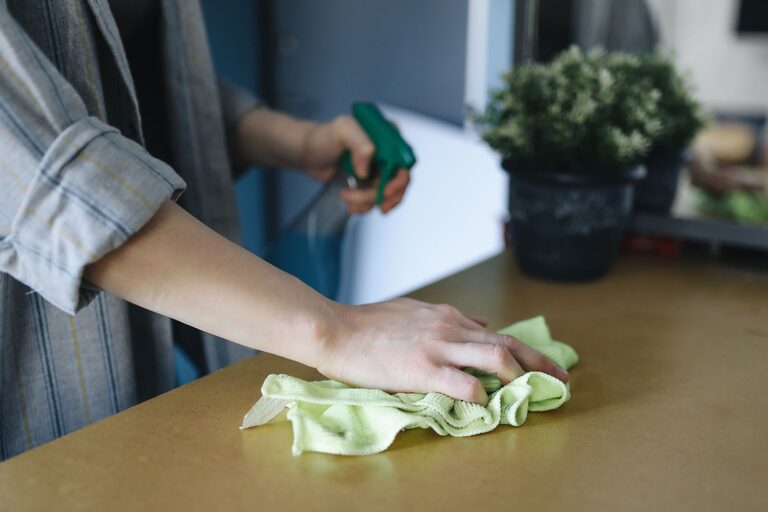
Tidying up your environment can reduce stress and create a more peaceful atmosphere. You don’t need to overhaul everything at once; try organizing one small area, like a drawer or your desk. A clean, organized space can help clear your mind.
6. Nourish Your Body with Simple, Healthy Meals
Cooking at home allows you to control ingredients and save money. Preparing a nutritious meal can be an act of self-care. Try meal planning or batch cooking to reduce stress around mealtime.
7. Engage in a Creative Activity
Creative expression supports emotional well-being. You don’t need special supplies—try:
– Drawing or doodling with pencils and paper
– Writing in a journal or starting a gratitude list
– Making a collage from old magazines
– Trying simple crafts like knitting or origami
These activities can be relaxing and fulfilling.
8. Unplug for a Set Time Each Day
Taking a break from screens can improve mental clarity and restful sleep. You might:
– Set “no device” zones or times, such as during meals or before bed
– Spend that time reading a book or listening to music
– Go outside to connect with nature
Digital detoxes help reduce information overload and stress.
9. Connect with Loved Ones
Social connections are vital for well-being. Even at home, you can:
– Call or video chat with friends or family
– Write a letter or send a thoughtful message
– Share a meal or activity, even virtually
Positive relationships nurture your emotional health.
Tips for Maintaining Your Self-Care Routine
– Start Small: Introduce one or two practices at a time.
– Be Flexible: Adapt activities to your mood and energy level.
– Set Reminders: Use phone alarms or sticky notes to prompt self-care.
– Keep It Enjoyable: Choose activities you genuinely like.
– Track Progress: Journaling your feelings or habits helps stay motivated.
Final Thoughts
Self-care is a personal journey, and it looks different for everyone. The ideas above are simple, affordable ways to prioritize your well-being without spending a lot or going out. By making small changes and carving out time for yourself at home, you can build habits that promote long-term health and happiness.
Remember: taking care of yourself is not a luxury—it’s a necessity. Start with these easy, low-cost ideas today and enjoy the lasting benefits of self-compassion and balance.
About the Author